
Corporate vs Startup: How Design Culture Shapes the Way We Work
Neha Arsid
April 24, 2026 · 8 min read
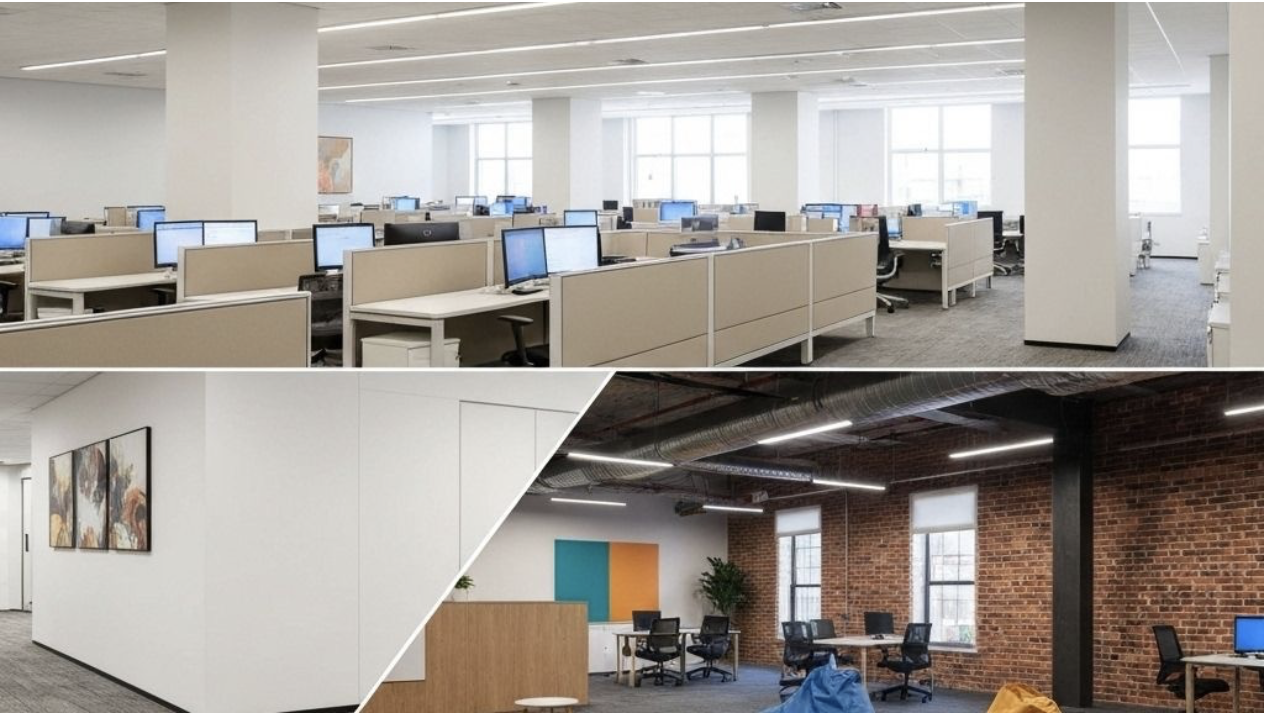
Reflections on my journey from SAP to Motive, and how different environments influence design processes, tool adoption, and innovation speed.
After spending years as UX Expert at SAP and now working as a Senior Product Designer at Motive, I've experienced firsthand how dramatically different organisational cultures can shape the way we design, collaborate, and innovate. The contrast has been eye-opening, and I wanted to share some reflections on what I've learned from both worlds.
The Pace of Change
One of the most striking differences is the speed at which things move. At SAP, we operated with careful deliberation. Every design decision went through multiple layers of review, stakeholder alignment sessions, and approval processes. While this ensured quality and consistency across a massive product ecosystem, it also meant that shipping a feature could take many months.
At Motive, the pace is exhilarating. We move from concept to production in weeks to few months. There's an urgency to solve user problems quickly and iterate based on real feedback. This velocity requires a different mindset you need to be comfortable with ambiguity and willing to make decisions with incomplete information.
Design Culture & Autonomy
In corporate environments like SAP, design culture is well-established with mature design systems, comprehensive guidelines, and structured processes. You have the benefit of learning from years of institutional knowledge, and there's a strong emphasis on consistency and scalability. However, this can sometimes feel constraining when you want to experiment with new patterns or challenge existing conventions.
Startups like Motive offer more room to experiment, fail fast, and pivot. The trade-off is that you need to be more self-directed and comfortable with less structure.
Technology Adoption: The Great Divide
Perhaps the most significant difference I've observed is how quickly organizations adopt new technologies and tools. Large corporations are naturally more cautious. At SAP, introducing a new design tool could take 6-12 months of evaluation and approval.
Startups, on the other hand, are incredibly nimble. If a tool can make us more productive, we try it. This openness to experimentation has exposed me to cutting-edge technologies that are transforming how we work.
Technology & Tools
Rapid Prototyping
One of the most transformative discoveries at Motive has been using Figma Make and V0 for early-stage prototyping. These AI-powered tools have revolutionised how quickly we can validate ideas with customers.
Claude, Cursor, Figma Make and V0 allows me to generate interactive functional prototypes from natural language prompts. I can quickly explore multiple design directions, test different UI patterns, and create clickable prototypes all within minutes. This is invaluable when we need to present concepts to stakeholders or test ideas with users before investing in detailed design work. They take it a step further by generating actual working code.
Instead of spending hours creating static mockups in Figma and then waiting for engineering to build them, I can now generate interactive prototypes that actually work. This speeds up feedback cycles dramatically and helps everyone visualise the end product much earlier in the process. We can now validate assumptions with real customers much earlier in the design process, leading to better product decisions and fewer costly pivots later.
This has fundamentally changed how I communicate ideas with engineers and stakeholders.
Collaboration & Cross-Functional Work
At SAP, cross-functional collaboration was highly structured. We had regular sync meetings, clear handoffs, and well-defined roles. Everyone knew their lane, which created efficiency but sometimes led to silos.
At Motive, collaboration is more fluid and organic. Designers, engineers, and product managers work much more closely together, often pairing on problems in real-time. There's less formality and more direct communication. I find myself in Slack huddles with engineers debugging UI issues or brainstorming solutions together. This closeness accelerates problem-solving but requires strong communication skills and the ability to context-switch frequently.
Navigating Global Teams & Communication Styles
One aspect I didn't fully anticipate when joining Motive was the shift in communication dynamics. While we still maintain hierarchy in design decisions before handing off to development which ensures quality and alignment the way we communicate is fundamentally different from my SAP days.
At Motive, we're spread across the globe, with team members working between India and the USA. This means a significant portion of our communication is asynchronous. I've had to adapt to leaving detailed Loom videos, comprehensive Figma comments, and well-documented design rationales that my colleagues can review in their timezone. It's a different rhythm,less spontaneous hallway conversations, more intentional and thoughtful async updates.
What's been both challenging and rewarding is working alongside extremely talented people,our leadership, product managers, and fellow designers are truly exceptional. But I'll be honest: it took time to pace up with them. The speed at which they think, make decisions, and execute is impressive, and there was definitely a learning curve for me to match that velocity while maintaining design quality.
Another interesting shift has been understanding the US way of communication. At SAP, I primarily worked with Europe-based colleagues, where communication tends to be more formal, structured, and process-oriented. American communication, I've found, is often more direct, casual, and action-oriented. There's less preamble and more focus on outcomes. It's a cultural shift that took some adjustment learning when to be concise versus when to provide context, understanding the nuances of written tone in Slack, and adapting to a more informal yet fast-paced communication style.
This cultural and communication shift has made me a more adaptable designer. I've learned to communicate more clearly across time zones, be more proactive in documenting my thinking, and adjust my communication style based on my audience. It's been one of the unexpected but valuable lessons from this transition.
Hybrid Office Culture vs Fully Remote: A Designer's Perspective
Beyond the corporate-startup divide, one of the most significant shifts in my work experience has been moving from SAP's hybrid office culture to Motive's fully remote environment. Each model has profoundly impacted how I understand the company ecosystem, collaborate with peer designers, and work with design systems.
Understanding the Company Ecosystem
Hybrid at SAP: Osmotic Learning
At SAP, being in the office even part-time provided invaluable osmotic learning. I'd overhear conversations about product strategy in the cafeteria, catch up on organizational changes during hallway chats, and understand team dynamics through casual interactions. The physical presence helped me build a mental map of who does what, which teams own which products, and how decisions flow through the organization. This ambient awareness was something I took for granted until I went fully remote.
Fully Remote at Motive: Intentional Discovery
At Motive, understanding the company ecosystem requires much more intentional effort. There's no casual overhearing I have to actively seek out information through documentation, scheduled 1:1s, and team meetings. While this can feel slower initially, it's taught me to be more proactive about building relationships and understanding context.
Collaboration Frictions with Peer Designers
Hybrid: Spontaneous Collaboration
At SAP, some of my best design work came from spontaneous collaboration. A fellow designer would see me struggling with a layout problem and offer a fresh perspective. We'd have impromptu design jams where multiple designers would gather around a screen and riff on ideas together. The energy of in-person collaboration the ability to read body language, sketch together, and build on each other's ideas in real-time created a certain creative momentum that's hard to replicate remotely.
Fully Remote: Structured but Isolated
At Motive, collaboration with peer designers is more structured. We schedule design reviews, use FigJam for async brainstorming, and rely heavily on Loom videos to share work-in-progress. While this structure ensures everyone gets visibility into each other's work, I won't lie it can feel isolating at times. There's no casual "hey, can you look at this for a second?" Instead, every collaboration request feels more formal and scheduled.
The biggest lesson: Remote work requires you to be a more independent and self-sufficient designer, but it also demands that you're more proactive about seeking connection and collaboration. The friction is real, but it's taught me skills clear communication, thorough documentation, and intentional relationship-building that have made me a better designer overall.
Which is Better?
Neither is inherently better they're just different, and both have taught me invaluable lessons. Working at SAP gave me a deep appreciation for design systems, scalability, and the importance of consistency across complex product ecosystems. It taught me how to navigate large organizations, build consensus among diverse stakeholders, and think strategically about long-term product vision.
Working at Motive has made me more agile, scrappy, and comfortable with ambiguity. It's taught me to move fast, embrace new tools, and take more ownership over the entire product experience. The exposure to cutting-edge technologies like V0 has expanded my skill set and made me a more versatile designer.
Final Thoughts
If you're early in your career, I'd encourage you to experience both environments if possible. Corporate roles offer structure, mentorship, and the chance to work on products at massive scale. Startups offer autonomy, speed, and the opportunity to wear multiple hats and shape culture.
For me, the combination of both experiences has made me a more well-rounded designer. I bring the rigor and strategic thinking from my corporate days, combined with the agility and tool-savviness I've developed at Motive. And honestly, having access to tools like V0 that enable me to prototype and iterate at lightning speed? That's something I wouldn't trade for anything.
The future of design is moving fast, and I'm grateful to be in an environment that embraces that velocity.
Got thoughts? I'd love to hear them.
Reply via email →More writing
The Designer's New Reality: How to Own Your Craft in the Age of Claude
*A practical guide for designers navigating AI-assisted design: from building your first org design system to handing off production-ready components, without...
Jun 3, 2026 · 21 min read
About design talks at Okta
Last Friday, I attended an incredibly thought-provoking event on “The UX of Trust & Security” hosted by Friends of Figma, Bangalore x Okta . I went in expectin...
May 11, 2026 · 2 min read